 For any query/comment related to this ebook, please contact us at haidar.ali@rekhta.org
About The Author
Identity: Muhaddith, Qur’anic exegete, jurist, and successor to Shah Waliullah Muhaddith Dehlavi
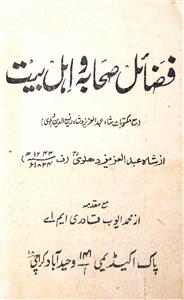
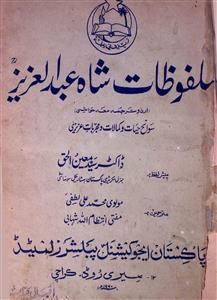
Shah Abdul Aziz Muhaddith Dehlavi was born on 25 Ramadan 1159 AH / 11 October 1746 in Delhi. He was the eldest son of the renowned Islamic scholar, muhaddith, and reformer Shah Waliullah Muhaddith Dehlavi. His grandfather, Shah Abdur Rahim, was among the most distinguished scholars of the Indian subcontinent.
He received his early education and training under the supervision of his father. At a young age, he attained mastery in Hadith, Qur’anic exegesis (Tafsir), Islamic jurisprudence (Fiqh), logic, philosophy, and other religious sciences. Following his father’s death when he was seventeen years old, he succeeded him in his scholarly and educational mission and continued teaching and guiding students in Delhi.
Shah Abdul Aziz is particularly renowned for his contribution to the revival and dissemination of Hadith studies in the Indian subcontinent. He educated thousands of students and played a pivotal role in the religious and intellectual life of his era. He is regarded as one of the foremost pillars of the Waliullahi movement.
Following the consolidation of British rule in India, he closely examined the political and religious conditions of the country and issued his famous legal opinion (fatwa) declaring India a Dar al-Harb (territory under non-Muslim rule). This ruling had a significant influence on subsequent religious and political movements in the subcontinent.
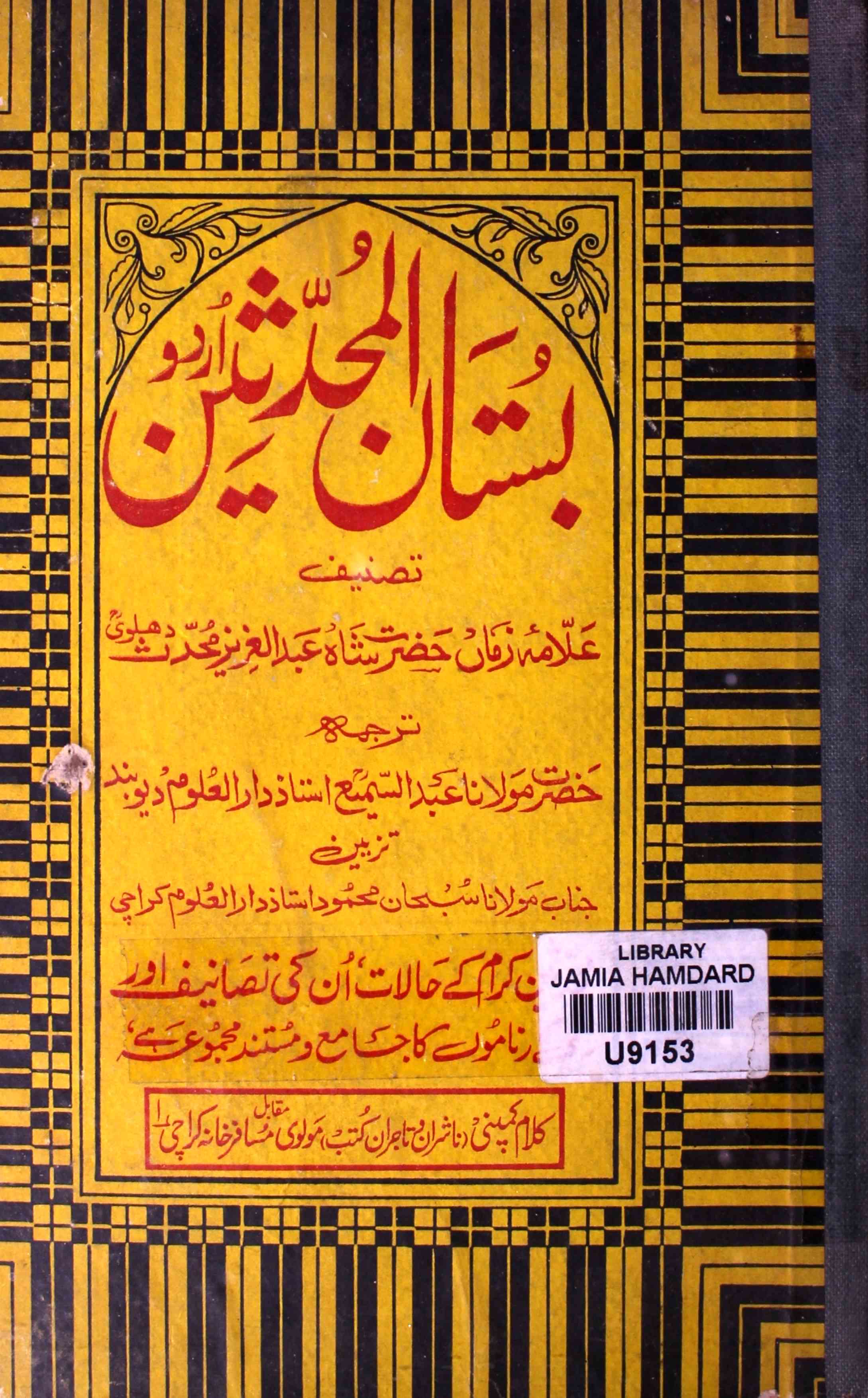
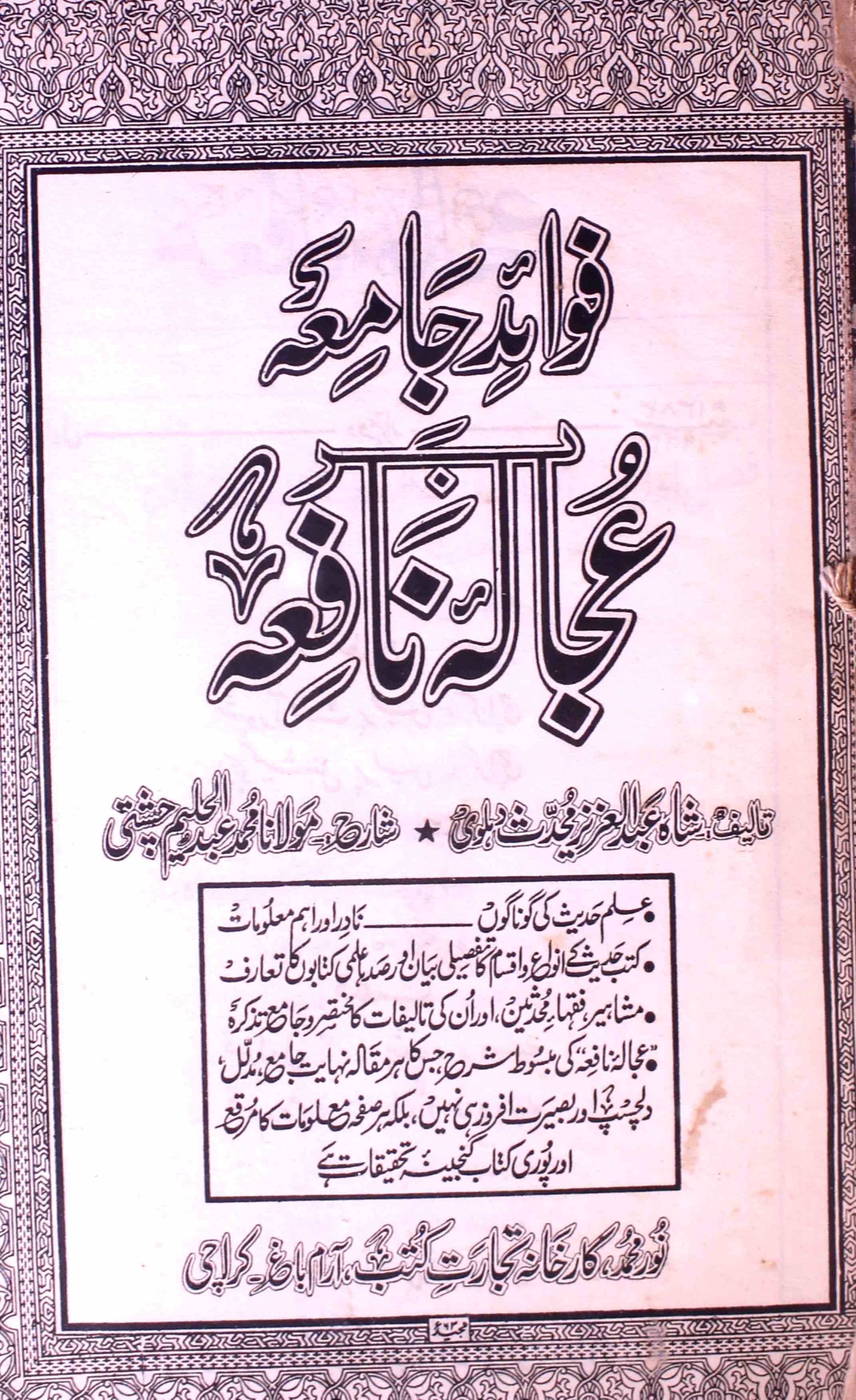
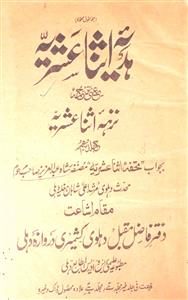
His major works include Tafsir Fath al-Aziz (Tafsir-e-Azizi), Tuhfa Ithna Ashariyya, Bustan al-Muhaddithin, Fatawa-e-Azizi, Ajala Nafi‘a, and Sirr al-Shahadatayn. His scholarly contributions span the fields of Hadith, Qur’anic exegesis, jurisprudence, theology, and history.
Death: Shah Abdul Aziz Muhaddith Dehlavi passed away in Delhi on 9 Shawwal 1239 AH / 6 June 1824.
For any query/comment related to this ebook, please contact us at haidar.ali@rekhta.org