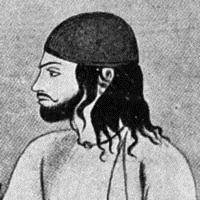
Sher of Momin Khan Momin
tum mire paas hote ho goyā
jab koī dūsrā nahīñ hotā
in such a manner are you close to me
when no one else at all there ever be
Interpretation:
Rekhta AI
The couplet ties the beloved’s “presence” to the speaker’s solitude: when the world is absent, the beloved becomes vividly near. “As if” signals that this closeness may be imagined—born from memory and longing rather than physical meeting. Emotional comfort arises, but it also exposes how deeply loneliness depends on that one person.
tum mere pas hote ho goya
jab koi dusra nahin hota
in such a manner are you close to me
when no one else at all there ever be
Interpretation:
Rekhta AI
The couplet ties the beloved’s “presence” to the speaker’s solitude: when the world is absent, the beloved becomes vividly near. “As if” signals that this closeness may be imagined—born from memory and longing rather than physical meeting. Emotional comfort arises, but it also exposes how deeply loneliness depends on that one person.
-
Tag : Famous shayari
-
Share this
- Translation
- Explanation
- See Ghazal
- Critique
- Comments
- Download
'umr saarī to kaTī 'ishq-e-butāñ meñ 'momin'
āḳhirī vaqt meñ kyā ḳhaak musalmāñ hoñge
Momin all your life in idol worship you did spend
How can you be a Muslim say now towards the end?
Interpretation:
Rekhta AI
The couplet is a sharp confession of wasted life and a fear of ending badly. “Ishq-e-butan” symbolizes attachment to worldly charms that distract from faith. The poet mocks his own last-minute hope of piety, suggesting that a lifetime of misdirected love cannot be undone at death’s door. Its emotional core is regret mixed with self-judgment.
'umr sari to kaTi 'ishq-e-butan mein 'momin'
aaKHiri waqt mein kya KHak musalman honge
Momin all your life in idol worship you did spend
How can you be a Muslim say now towards the end?
Interpretation:
Rekhta AI
The couplet is a sharp confession of wasted life and a fear of ending badly. “Ishq-e-butan” symbolizes attachment to worldly charms that distract from faith. The poet mocks his own last-minute hope of piety, suggesting that a lifetime of misdirected love cannot be undone at death’s door. Its emotional core is regret mixed with self-judgment.
-
Share this
- Translation
- Explanation
- See Ghazal
- Critique
- Comments
- Download
tum hamāre kisī tarah na hue
varna duniyā meñ kyā nahīñ hotā
your love by any means I could not gain
Or else in life what would not one attain
Interpretation:
Rekhta AI
The speaker laments that despite every effort, the beloved did not accept the relationship. The second line uses a rhetorical question to say that almost everything is possible in the world—yet this one wish failed. It conveys helplessness before fate and the sharp ache of unfulfilled love. The contrast between “everything” and “this one thing” intensifies the regret.
tum hamare kisi tarah na hue
warna duniya mein kya nahin hota
your love by any means I could not gain
Or else in life what would not one attain
Interpretation:
Rekhta AI
The speaker laments that despite every effort, the beloved did not accept the relationship. The second line uses a rhetorical question to say that almost everything is possible in the world—yet this one wish failed. It conveys helplessness before fate and the sharp ache of unfulfilled love. The contrast between “everything” and “this one thing” intensifies the regret.
-
Tag : Qismat
-
Share this
- Translation
- Explanation
- See Ghazal
- Critique
- Comments
- Download
vo jo ham meñ tum meñ qarār thā tumheñ yaad ho ki na yaad ho
vahī yaanī va.ada nibāh kā tumheñ yaad ho ki na yaad ho
the love that 'tween us used to be, you may, may not recall
those promises of constancy, you may, may not recall
Interpretation:
Rekhta AI
The speaker addresses the beloved with a restrained ache, asking whether they still recall the old mutual bond. “Qarar” suggests an agreed, steady relationship, and “wada nibah” is the pledge of loyalty. By repeating “remember or not,” the poet conveys uncertainty, hurt, and quiet accusation: forgetting itself becomes a form of betrayal. The couplet turns memory into a test of love and commitment.
wo jo hum mein tum mein qarar tha tumhein yaad ho ki na yaad ho
wahi yani wada nibah ka tumhein yaad ho ki na yaad ho
the love that 'tween us used to be, you may, may not recall
those promises of constancy, you may, may not recall
Interpretation:
Rekhta AI
The speaker addresses the beloved with a restrained ache, asking whether they still recall the old mutual bond. “Qarar” suggests an agreed, steady relationship, and “wada nibah” is the pledge of loyalty. By repeating “remember or not,” the poet conveys uncertainty, hurt, and quiet accusation: forgetting itself becomes a form of betrayal. The couplet turns memory into a test of love and commitment.
-
Share this
- Translation
- Explanation
- See Ghazal
- Critique
- Comments
- Download
thī vasl meñ bhī fikr-e-judā.ī tamām shab
vo aa.e to bhī niiñd na aa.ī tamām shab
Interpretation:
Rekhta AI
The couplet shows how love’s fear can survive even its fulfillment: union does not erase the dread of parting. The lover’s mind keeps anticipating loss, so peace never arrives. That anxious expectation becomes so strong that even the beloved’s presence cannot bring sleep.
thi wasl mein bhi fikr-e-judai tamam shab
wo aae to bhi nind na aai tamam shab
Interpretation:
Rekhta AI
The couplet shows how love’s fear can survive even its fulfillment: union does not erase the dread of parting. The lover’s mind keeps anticipating loss, so peace never arrives. That anxious expectation becomes so strong that even the beloved’s presence cannot bring sleep.
-
Share this
- Explanation
- See Ghazal
- Critique
- Comments
- Download
kyā jaane kyā likhā thā use iztirāb meñ
qāsid kī laash aa.ī hai ḳhat ke javāb meñ
Interpretation:
Rekhta AI
The couplet turns a simple exchange of letters into a tragedy: the lover’s anxious words remain unknown, yet the response arrives as death itself. The dead courier becomes a metaphor for fate’s cruelty and for communication breaking down at the worst moment. Emotionally, it conveys dread, helplessness, and the sense that love’s message has been punished or cut off forever.
kya jaane kya likha tha use iztirab mein
qasid ki lash aai hai KHat ke jawab mein
Interpretation:
Rekhta AI
The couplet turns a simple exchange of letters into a tragedy: the lover’s anxious words remain unknown, yet the response arrives as death itself. The dead courier becomes a metaphor for fate’s cruelty and for communication breaking down at the worst moment. Emotionally, it conveys dread, helplessness, and the sense that love’s message has been punished or cut off forever.
maiñ bhī kuchh ḳhush nahīñ vafā kar ke
tum ne achchhā kiyā nibāh na kī
Interpretation:
Rekhta AI
The speaker admits that loyalty did not bring peace; it only left a hollow aftertaste. With bitter irony, they tell the beloved that ending it was actually wiser, because “keeping it” would have stretched the pain further. The couplet blends hurt with clear-eyed acceptance, turning complaint into a resigned verdict on love’s unfulfilling promise.
main bhi kuchh KHush nahin wafa kar ke
tum ne achchha kiya nibah na ki
Interpretation:
Rekhta AI
The speaker admits that loyalty did not bring peace; it only left a hollow aftertaste. With bitter irony, they tell the beloved that ending it was actually wiser, because “keeping it” would have stretched the pain further. The couplet blends hurt with clear-eyed acceptance, turning complaint into a resigned verdict on love’s unfulfilling promise.
-
Share this
- Explanation
- See Ghazal
- Critique
- Comments
- Download
shab jo masjid meñ jā phañse 'momin'
raat kaaTī ḳhudā ḳhudā kar ke
Interpretation:
Rekhta AI
The couplet carries a playful irony: the speaker is trapped in a sacred space, yet his devotion sounds less like calm worship and more like anxious chanting. “God, God” becomes both prayer and a way to endure the night, suggesting fear, discomfort, or guilt. The emotional core is helplessness masked as piety, where the setting amplifies the speaker’s nervous state.
shab jo masjid mein ja phanse 'momin'
raat kaTi KHuda KHuda kar ke
Interpretation:
Rekhta AI
The couplet carries a playful irony: the speaker is trapped in a sacred space, yet his devotion sounds less like calm worship and more like anxious chanting. “God, God” becomes both prayer and a way to endure the night, suggesting fear, discomfort, or guilt. The emotional core is helplessness masked as piety, where the setting amplifies the speaker’s nervous state.
-
Share this
- Explanation
- Critique
- Comments
- Download
māñgā kareñge ab se duā hijr-e-yār kī
āḳhir to dushmanī hai asar ko duā ke saath
to be parted from my dearest I will pray now hence
as after all prayers bear enmity with consequence
Interpretation:
Rekhta AI
The speaker flips the usual logic of prayer: since prayers may “take effect” in a way that defeats one’s own desire, he decides to ask for separation itself. The word “enemy” suggests a bitter distrust of fate—what you want and what happens stand opposed. The emotional core is irony mixed with helplessness: even devotion turns into a strategy to protect oneself from disappointment.
manga karenge ab se dua hijr-e-yar ki
aaKHir to dushmani hai asar ko dua ke sath
to be parted from my dearest I will pray now hence
as after all prayers bear enmity with consequence
Interpretation:
Rekhta AI
The speaker flips the usual logic of prayer: since prayers may “take effect” in a way that defeats one’s own desire, he decides to ask for separation itself. The word “enemy” suggests a bitter distrust of fate—what you want and what happens stand opposed. The emotional core is irony mixed with helplessness: even devotion turns into a strategy to protect oneself from disappointment.
-
Tag : Dua
-
Share this
- Translation
- Explanation
- See Ghazal
- Critique
- Comments
- Download
chal diye sū-e-haram kū-e-butāñ se 'momin'
jab diyā ranj butoñ ne to ḳhudā yaad aayā
from the streets of idols fair
to the mosque did I repair
when these beauties caused me pain
then I thought of God again
Interpretation:
Rekhta AI
The couplet contrasts the beloveds/“idols” of worldly love with the “sanctuary” of faith. Hurt by the very ones he adored, the speaker turns away and seeks refuge in God. The metaphor suggests that disillusionment becomes a spiritual wake-up call. Emotionally, it carries regret and a sudden return to devotion after heartbreak.
chal diye su-e-haram ku-e-butan se 'momin'
jab diya ranj buton ne to KHuda yaad aaya
from the streets of idols fair
to the mosque did I repair
when these beauties caused me pain
then I thought of God again
Interpretation:
Rekhta AI
The couplet contrasts the beloveds/“idols” of worldly love with the “sanctuary” of faith. Hurt by the very ones he adored, the speaker turns away and seeks refuge in God. The metaphor suggests that disillusionment becomes a spiritual wake-up call. Emotionally, it carries regret and a sudden return to devotion after heartbreak.
-
Tag : Khuda
-
Share this
- Translation
- Explanation
- Critique
- Comments
- Download
royā kareñge aap bhī pahroñ isī tarah
aTkā kahīñ jo aap kā dil bhī mirī tarah
Interpretation:
Rekhta AI
The speaker predicts that the addressee will one day taste the same pain of love. “Heart getting stuck” is a metaphor for being trapped in attachment or an unresolved bond, which turns time into long, tearful hours. There is both warning and quiet bitterness: only shared suffering will make the other truly understand. The couplet’s emotional core is longing mixed with ironic justice.
roya karenge aap bhi pahron isi tarah
aTka kahin jo aap ka dil bhi meri tarah
Interpretation:
Rekhta AI
The speaker predicts that the addressee will one day taste the same pain of love. “Heart getting stuck” is a metaphor for being trapped in attachment or an unresolved bond, which turns time into long, tearful hours. There is both warning and quiet bitterness: only shared suffering will make the other truly understand. The couplet’s emotional core is longing mixed with ironic justice.
-
Share this
- Explanation
- See Ghazal
- Critique
- Comments
- Download
uljhā hai paañv yaar kā zulf-e-darāz meñ
lo aap apne daam meñ sayyād aa gayā
Interpretation:
Rekhta AI
The couplet plays on a witty reversal: the beloved’s long hair becomes a “trap,” and the lover who once seemed the hunter turns into the caught one. The image suggests that beauty ensnares even the one who thinks he controls the chase. Emotionally, it celebrates love’s power to disarm pride and flip roles in an instant.
uljha hai panw yar ka zulf-e-daraaz mein
lo aap apne dam mein sayyaad aa gaya
Interpretation:
Rekhta AI
The couplet plays on a witty reversal: the beloved’s long hair becomes a “trap,” and the lover who once seemed the hunter turns into the caught one. The image suggests that beauty ensnares even the one who thinks he controls the chase. Emotionally, it celebrates love’s power to disarm pride and flip roles in an instant.
-
Tag : Zulf
-
Share this
- Explanation
- See Ghazal
- Critique
- Comments
- Download
vo aa.e haiñ pashemāñ laash par ab
tujhe ai zindagī lā.ūñ kahāñ se
Interpretation:
Rekhta AI
The couplet captures the cruelty of late remorse: the beloved (or the uncaring world) arrives only after everything is finished. The speaker addresses “life” as if it were a person that could be summoned back, highlighting the finality of death. The image of regret at a corpse shows how apologies lose meaning when timing is lost. Emotionally, it is an accusation wrapped in helpless grief.
wo aae hain pasheman lash par ab
tujhe ai zindagi laun kahan se
Interpretation:
Rekhta AI
The couplet captures the cruelty of late remorse: the beloved (or the uncaring world) arrives only after everything is finished. The speaker addresses “life” as if it were a person that could be summoned back, highlighting the finality of death. The image of regret at a corpse shows how apologies lose meaning when timing is lost. Emotionally, it is an accusation wrapped in helpless grief.
-
Share this
- Explanation
- Critique
- Comments
- Download
us ġhairat-e-nāhīd kī har taan hai dīpak
sho.ala sā lapak jaa.e hai āvāz to dekho
Interpretation:
Rekhta AI
The couplet praises a beloved singer whose artistry is so intense that it is imagined to ignite fire. “Naheed” (Venus) suggests celestial beauty, while “Deepak” evokes the legendary idea of music that can light lamps. The emotional core is wonder: the poet feels her voice is not mere sound but burning radiance that sets the air aflame.
us ghairat-e-nahid ki har tan hai dipak
shoala sa lapak jae hai aawaz to dekho
Interpretation:
Rekhta AI
The couplet praises a beloved singer whose artistry is so intense that it is imagined to ignite fire. “Naheed” (Venus) suggests celestial beauty, while “Deepak” evokes the legendary idea of music that can light lamps. The emotional core is wonder: the poet feels her voice is not mere sound but burning radiance that sets the air aflame.
-
Share this
- Explanation
- See Ghazal
- Critique
- Comments
- Download
kabhī ham meñ tum meñ bhī chaah thī kabhī ham se tum se bhī raah thī
kabhī ham bhī tum bhī the āshnā tumheñ yaad ho ki na yaad ho
friendship twixt us once used to be, a path there was from you to me
once I and you were not, but we, you may, may not recall
Interpretation:
Rekhta AI
Momin Khan Momin recalls a past intimacy that has now faded into distance. “Chah” (affection) and “rah” (shared way/meeting) suggest both emotional closeness and actual contact. The closing line carries a soft reproach and sadness: the speaker still remembers clearly, while the beloved may have forgotten. The couplet’s ache lies in unequal memory and the disappearance of shared closeness.
kabhi hum mein tum mein bhi chah thi kabhi hum se tum se bhi rah thi
kabhi hum bhi tum bhi the aashna tumhein yaad ho ki na yaad ho
friendship twixt us once used to be, a path there was from you to me
once I and you were not, but we, you may, may not recall
Interpretation:
Rekhta AI
Momin Khan Momin recalls a past intimacy that has now faded into distance. “Chah” (affection) and “rah” (shared way/meeting) suggest both emotional closeness and actual contact. The closing line carries a soft reproach and sadness: the speaker still remembers clearly, while the beloved may have forgotten. The couplet’s ache lies in unequal memory and the disappearance of shared closeness.
-
Tag : Yaad
-
Share this
- Translation
- Explanation
- See Ghazal
- Critique
- Comments
- Download
aap kī kaun sī baḌhī izzat
maiñ agar bazm meñ zalīl huā
Interpretation:
Rekhta AI
The speaker reproaches the beloved for enjoying his public humiliation. He asks what “honor” the beloved achieved by letting him be shamed in the social circle (bazm), exposing the emptiness of pride built on another’s downfall. The emotional core is wounded love mixed with bitter dignity: your status didn’t rise—only my pain did.
aap ki kaun si baDhi izzat
main agar bazm mein zalil hua
Interpretation:
Rekhta AI
The speaker reproaches the beloved for enjoying his public humiliation. He asks what “honor” the beloved achieved by letting him be shamed in the social circle (bazm), exposing the emptiness of pride built on another’s downfall. The emotional core is wounded love mixed with bitter dignity: your status didn’t rise—only my pain did.
-
Share this
- Explanation
- Critique
- Comments
- Download
kis pe marte ho aap pūchhte haiñ
mujh ko fikr-e-javāb ne maarā
Interpretation:
Rekhta AI
The beloved’s direct question puts the lover on the spot. Instead of confessing a name, the speaker admits that the real “killer” is anxiety—how to reply without losing face, revealing too much, or upsetting the beloved. The phrase “killed me” is a metaphor for being emotionally overwhelmed. The couplet blends romantic tension with sharp wit.
kis pe marte ho aap puchhte hain
mujh ko fikr-e-jawab ne mara
Interpretation:
Rekhta AI
The beloved’s direct question puts the lover on the spot. Instead of confessing a name, the speaker admits that the real “killer” is anxiety—how to reply without losing face, revealing too much, or upsetting the beloved. The phrase “killed me” is a metaphor for being emotionally overwhelmed. The couplet blends romantic tension with sharp wit.
-
Share this
- Explanation
- Critique
- Comments
- Download
kisī kā huā aaj kal thā kisī kā
na hai tū kisī kā na hogā kisī kā
Interpretation:
Rekhta AI
Momin Khan Momin captures the instability of human attachments: today’s closeness is often just a change of hands from yesterday. The repeated “someone’s” turns love into a commentary on possession and shifting loyalties. The speaker warns that trying to claim a person is an illusion, because such bonds are temporary and unreliable. The emotion is a mix of bitterness, realism, and resigned hurt.
kisi ka hua aaj kal tha kisi ka
na hai tu kisi ka na hoga kisi ka
Interpretation:
Rekhta AI
Momin Khan Momin captures the instability of human attachments: today’s closeness is often just a change of hands from yesterday. The repeated “someone’s” turns love into a commentary on possession and shifting loyalties. The speaker warns that trying to claim a person is an illusion, because such bonds are temporary and unreliable. The emotion is a mix of bitterness, realism, and resigned hurt.
-
Share this
- Explanation
- Critique
- Comments
- Download
Thānī thī dil meñ ab na mileñge kisī se ham
par kyā kareñ ki ho ga.e nā-chār jī se ham
Interpretation:
Rekhta AI
The couplet contrasts firm resolve with human helplessness. The speaker vows to withdraw from people—likely after emotional hurt—yet admits that the demands of life and the heart overpower that decision. “Ji” (life/inner self) becomes the force that compels connection despite pride or caution. The emotional core is surrender: intention breaks under longing and necessity.
Thani thi dil mein ab na milenge kisi se hum
par kya karen ki ho gae na-chaar ji se hum
Interpretation:
Rekhta AI
The couplet contrasts firm resolve with human helplessness. The speaker vows to withdraw from people—likely after emotional hurt—yet admits that the demands of life and the heart overpower that decision. “Ji” (life/inner self) becomes the force that compels connection despite pride or caution. The emotional core is surrender: intention breaks under longing and necessity.
-
Tag : Mulaqat
-
Share this
- Explanation
- See Ghazal
- Critique
- Comments
- Download
us naqsh-e-pā ke sajde ne kyā kyā kiyā zalīl
maiñ kūcha-e-raqīb meñ bhī sar ke bal gayā
bowing to her footsteps brought me shame I dread
I went to my rival's street standing on my head
Interpretation:
Rekhta AI
The beloved’s footprint becomes a symbol of extreme worship: the lover’s reverence is so excessive that it turns into public humiliation. The second line intensifies the shame—he lowers himself so completely that he even enters the rival’s lane, where his pride should have stopped him. The couplet captures love as obsession that breaks dignity and makes one cross forbidden boundaries. The emotional core is helpless devotion mixed with self-awareness of disgrace.
us naqsh-e-pa ke sajde ne kya kya kiya zalil
main kucha-e-raqib mein bhi sar ke bal gaya
bowing to her footsteps brought me shame I dread
I went to my rival's street standing on my head
Interpretation:
Rekhta AI
The beloved’s footprint becomes a symbol of extreme worship: the lover’s reverence is so excessive that it turns into public humiliation. The second line intensifies the shame—he lowers himself so completely that he even enters the rival’s lane, where his pride should have stopped him. The couplet captures love as obsession that breaks dignity and makes one cross forbidden boundaries. The emotional core is helpless devotion mixed with self-awareness of disgrace.
-
Tag : Raqeeb
-
Share this
- Translation
- Explanation
- See Ghazal
- Critique
- Comments
- Download
hai kuchh to baat 'momin' jo chhā ga.ī ḳhamoshī
kis but ko de diyā dil kyuuñ but se ban ga.e ho
Interpretation:
Rekhta AI
The couplet treats silence as a visible sign of an inner upheaval. The beloved is called an “idol” (but), suggesting cold beauty and unresponsiveness, and the speaker wonders whom the heart was surrendered to. By saying the lover has become an idol, the verse implies emotional numbness and stillness—love has turned the person rigid, speechless, and self-alienated.
hai kuchh to baat 'momin' jo chha gai KHamoshi
kis but ko de diya dil kyun but se ban gae ho
Interpretation:
Rekhta AI
The couplet treats silence as a visible sign of an inner upheaval. The beloved is called an “idol” (but), suggesting cold beauty and unresponsiveness, and the speaker wonders whom the heart was surrendered to. By saying the lover has become an idol, the verse implies emotional numbness and stillness—love has turned the person rigid, speechless, and self-alienated.
-
Share this
- Explanation
- Critique
- Comments
- Download
hāl-e-dil yaar ko likhūñ kyūñkar
haath dil se judā nahīñ hotā
Interpretation:
Rekhta AI
The speaker wants to send a message of their inner state to the beloved, but grief and passion physically and emotionally paralyze them. The hand stands for the ability to write and act, while the heart stands for overwhelming feeling. The metaphor suggests that emotion holds the body captive, making expression itself difficult. Love here becomes so intense that even communication is stopped by the very heart that needs to be expressed.
haal-e-dil yar ko likhun kyunkar
hath dil se juda nahin hota
Interpretation:
Rekhta AI
The speaker wants to send a message of their inner state to the beloved, but grief and passion physically and emotionally paralyze them. The hand stands for the ability to write and act, while the heart stands for overwhelming feeling. The metaphor suggests that emotion holds the body captive, making expression itself difficult. Love here becomes so intense that even communication is stopped by the very heart that needs to be expressed.
-
Share this
- Explanation
- See Ghazal
- Critique
- Comments
- Download
nāvak-andāz jidhar dīda-e-jānāñ hoñge
nīm-bismil ka.ī hoñge ka.ī be-jāñ hoñge
Interpretation:
Rekhta AI
Momin turns the beloved’s gaze into arrows: the beloved is a “naavak-andaaz,” an archer whose look strikes hearts. The couplet conveys how one glance can ruin many lovers at once—some remain trapped in lingering pain (half-slain), while others are utterly finished (lifeless). The emotional core is the lover’s helplessness before beauty’s indifferent power.
nawak-andaz jidhar dida-e-jaanan honge
nim-bismil kai honge kai be-jaan honge
Interpretation:
Rekhta AI
Momin turns the beloved’s gaze into arrows: the beloved is a “naavak-andaaz,” an archer whose look strikes hearts. The couplet conveys how one glance can ruin many lovers at once—some remain trapped in lingering pain (half-slain), while others are utterly finished (lifeless). The emotional core is the lover’s helplessness before beauty’s indifferent power.
-
Share this
- Explanation
- See Ghazal
- Critique
- Comments
- Download
hañs hañs ke vo mujh se hī mire qatl kī bāteñ
is tarah se karte haiñ ki goyā na kareñge
Interpretation:
Rekhta AI
The lover describes the beloved’s playful cruelty: even the talk of “killing” (hurting, ruining) is delivered with laughter. The metaphor of murder heightens emotional pain, while the tone is deliberately casual to disguise intent. The sting lies in this irony—threats wrapped in charm—leaving the speaker helpless and wounded.
hans hans ke wo mujh se hi mere qatl ki baaten
is tarah se karte hain ki goya na karenge
Interpretation:
Rekhta AI
The lover describes the beloved’s playful cruelty: even the talk of “killing” (hurting, ruining) is delivered with laughter. The metaphor of murder heightens emotional pain, while the tone is deliberately casual to disguise intent. The sting lies in this irony—threats wrapped in charm—leaving the speaker helpless and wounded.
-
Share this
- Explanation
- See Ghazal
- Critique
- Comments
- Download
na karo ab nibāh kī bāteñ
tum ko ai mehrbān dekh liyā
Interpretation:
Rekhta AI
The speaker rejects promises of “nibāh” (faithful carrying on), because the beloved’s true nature has already been revealed. Calling the beloved “meharbān” is bitterly ironic: the title of kindness clashes with the experience of hurt. The couplet captures the moment of disillusionment where clarity replaces hope, and reconciliation feels meaningless.
na karo ab nibah ki baaten
tum ko ai mehrban dekh liya
Interpretation:
Rekhta AI
The speaker rejects promises of “nibāh” (faithful carrying on), because the beloved’s true nature has already been revealed. Calling the beloved “meharbān” is bitterly ironic: the title of kindness clashes with the experience of hurt. The couplet captures the moment of disillusionment where clarity replaces hope, and reconciliation feels meaningless.
-
Share this
- Explanation
- Critique
- Comments
- Download
tū kahāñ jā.egī kuchh apnā Thikāna kar le
ham to kal ḳhvāb-e-adam meñ shab-e-hijrāñ hoñge
where will you go I worry, do find a place to stay
O lonely night tomorrow, death will take me away
Interpretation:
Rekhta AI
The speaker urges the beloved to secure a “home” or stable refuge, hinting that time is running out. He contrasts this with his own fate: he is about to vanish into “adam” (nonbeing), where even existence is only a dream. Calling himself the “night of separation” intensifies the pain—his very identity becomes pure absence and longing. The couplet carries a tender warning: prepare for life without him, because his departure is imminent and final.
tu kahan jaegi kuchh apna Thikana kar le
hum to kal KHwab-e-adam mein shab-e-hijran honge
where will you go I worry, do find a place to stay
O lonely night tomorrow, death will take me away
Interpretation:
Rekhta AI
The speaker urges the beloved to secure a “home” or stable refuge, hinting that time is running out. He contrasts this with his own fate: he is about to vanish into “adam” (nonbeing), where even existence is only a dream. Calling himself the “night of separation” intensifies the pain—his very identity becomes pure absence and longing. The couplet carries a tender warning: prepare for life without him, because his departure is imminent and final.
-
Share this
- Translation
- Explanation
- See Ghazal
- Critique
- Comments
- Download
chāra-e-dil sivā.e sabr nahīñ
so tumhāre sivā nahīñ hotā
Interpretation:
Rekhta AI
The speaker says the only remedy for inner pain is to endure it with patience. Yet this patience itself is tied to the beloved: without them, no relief, no resolve, and no life-movement feels possible. The couplet fuses helpless love with steadfast waiting, making “sabr” both medicine and compulsion.
chaara-e-dil siwae sabr nahin
so tumhaare siwa nahin hota
Interpretation:
Rekhta AI
The speaker says the only remedy for inner pain is to endure it with patience. Yet this patience itself is tied to the beloved: without them, no relief, no resolve, and no life-movement feels possible. The couplet fuses helpless love with steadfast waiting, making “sabr” both medicine and compulsion.
-
Tag : Sabr
-
Share this
- Explanation
- See Ghazal
- Critique
- Comments
- Download
Dartā huuñ āsmān se bijlī na gir paḌe
sayyād kī nigāh sū-e-āshiyāñ nahīñ
Interpretation:
Rekhta AI
The speaker trembles at a dramatic danger from above, yet the real menace is elsewhere—or perhaps there is no immediate hunter at all. The contrast shows how anxiety can latch onto grand, distant threats while missing what is actually aimed at us. “Lightning” becomes a metaphor for unpredictable fate, and the “hunter” for an expected enemy who, ironically, isn’t looking. The emotional core is helplessness before unseen or misunderstood danger.
Darta hun aasman se bijli na gir paDe
sayyaad ki nigah su-e-ashiyan nahin
Interpretation:
Rekhta AI
The speaker trembles at a dramatic danger from above, yet the real menace is elsewhere—or perhaps there is no immediate hunter at all. The contrast shows how anxiety can latch onto grand, distant threats while missing what is actually aimed at us. “Lightning” becomes a metaphor for unpredictable fate, and the “hunter” for an expected enemy who, ironically, isn’t looking. The emotional core is helplessness before unseen or misunderstood danger.
majlis meñ mire zikr ke aate hī uThe vo
badnāmi-e-ushshāq kā e.azāz to dekho
Interpretation:
Rekhta AI
The couplet shows a lover’s bitter pride and hurt: mere mention of him makes the beloved avoid the room, as if his name itself is scandalous. “Badnāmī-e-‘ushshāq” turns disgrace into a sarcastic badge, exposing how society shames love. The emotional core is irony—rejection in public becomes proof of the lover’s intense, talked-about passion.
majlis mein mere zikr ke aate hi uThe wo
badnami-e-ushshaq ka eazaz to dekho
Interpretation:
Rekhta AI
The couplet shows a lover’s bitter pride and hurt: mere mention of him makes the beloved avoid the room, as if his name itself is scandalous. “Badnāmī-e-‘ushshāq” turns disgrace into a sarcastic badge, exposing how society shames love. The emotional core is irony—rejection in public becomes proof of the lover’s intense, talked-about passion.
-
Share this
- Explanation
- See Ghazal
- Critique
- Comments
- Download
ma.ashūq se bhī ham ne nibhā.ī barābarī
vaañ lutf kam huā to yahāñ pyaar kam huā
Interpretation:
Rekhta AI
The couplet presents love as a matter of mutual balance rather than one-sided devotion. The speaker claims self-respect: he will not keep giving more when the beloved’s warmth and لطف decline. “There” and “here” set up a scale—less delight from the beloved naturally leads to less affection from the lover. The emotional core is measured reciprocity: affection rises and falls in proportion.
mashuq se bhi hum ne nibhai barabari
wan lutf kam hua to yahan pyar kam hua
Interpretation:
Rekhta AI
The couplet presents love as a matter of mutual balance rather than one-sided devotion. The speaker claims self-respect: he will not keep giving more when the beloved’s warmth and لطف decline. “There” and “here” set up a scale—less delight from the beloved naturally leads to less affection from the lover. The emotional core is measured reciprocity: affection rises and falls in proportion.
-
Share this
- Explanation
- Critique
- Comments
- Download
'momin' ḳhudā ke vāste aisā makāñ na chhoḌ
dozaḳh meñ Daal ḳhuld ko kū-e-butāñ na chhoḌ
for sake of God! momin from leaving this house refrain
let paradise to hell consign, leave not the idol's lane
Interpretation:
Rekhta AI
The couplet is an intense plea to stay in the ‘kū-e-butān’—the street of the beloved, a metaphor for love’s chosen world. The poet exaggerates devotion: heaven can be thrown into hell if it stands against nearness to the beloved. Religious imagery of heaven and hell is used to show the lover’s willingness to risk everything for presence and passion. The emotional core is steadfast attachment that defies conventional ideas of salvation.
'momin' KHuda ke waste aisa makan na chhoD
dozaKH mein Dal KHuld ko ku-e-butan na chhoD
for sake of God! momin from leaving this house refrain
let paradise to hell consign, leave not the idol's lane
Interpretation:
Rekhta AI
The couplet is an intense plea to stay in the ‘kū-e-butān’—the street of the beloved, a metaphor for love’s chosen world. The poet exaggerates devotion: heaven can be thrown into hell if it stands against nearness to the beloved. Religious imagery of heaven and hell is used to show the lover’s willingness to risk everything for presence and passion. The emotional core is steadfast attachment that defies conventional ideas of salvation.
-
Share this
- Translation
- Explanation
- See Ghazal
- Critique
- Comments
- Download
bahr-e-ayādat aa.e vo lekin qazā ke saath
dam hī nikal gayā mirā āvāz-e-pā ke saath
Interpretation:
Rekhta AI
The couplet turns a beloved’s long-awaited visit into a cruel twist of fate: the visitor seems accompanied by “qazaa,” the decree of death. “Footsteps” become a metaphor for the beloved’s approach, so emotionally overwhelming that the speaker’s life ends at that very sound. Love, longing, and mortality collide, making the visit feel like both remedy and final blow.
bahr-e-ayaadat aae wo lekin qaza ke sath
dam hi nikal gaya mera aawaz-e-pa ke sath
Interpretation:
Rekhta AI
The couplet turns a beloved’s long-awaited visit into a cruel twist of fate: the visitor seems accompanied by “qazaa,” the decree of death. “Footsteps” become a metaphor for the beloved’s approach, so emotionally overwhelming that the speaker’s life ends at that very sound. Love, longing, and mortality collide, making the visit feel like both remedy and final blow.
-
Tag : Ayaadat
-
Share this
- Explanation
- Critique
- Comments
- Download
kyā milā arz-e-mudda.ā kar ke
baat bhī khoī iltijā kar ke
Interpretation:
Rekhta AI
The speaker looks back with regret: presenting a heartfelt plea brought no benefit. “Arz-e-mudda’a” suggests laying out one’s case, but the outcome is only loss. By resorting to “iltija” (supplication), they feel they have squandered not just words, but their own self-respect—an emotional core of humiliation after rejection.
kya mila arz-e-muddaa kar ke
baat bhi khoi iltija kar ke
Interpretation:
Rekhta AI
The speaker looks back with regret: presenting a heartfelt plea brought no benefit. “Arz-e-mudda’a” suggests laying out one’s case, but the outcome is only loss. By resorting to “iltija” (supplication), they feel they have squandered not just words, but their own self-respect—an emotional core of humiliation after rejection.
-
Share this
- Explanation
- Critique
- Comments
- Download
kal tum jo bazm-e-ġhair meñ āñkheñ churā ga.e
kho.e ga.e ham aise ki aġhyār pā ga.e
Interpretation:
Rekhta AI
The lover feels publicly slighted: in the “other people’s” assembly, the beloved’s averted gaze becomes a clear sign of distance. That small gesture shatters the speaker’s self-control, making him “lost” in grief and disgrace. The sting is that what should have been intimate is now exposed, and even strangers notice and take advantage of his vulnerable state. The couplet blends jealousy with humiliation: the beloved turns away, and the world steps in.
kal tum jo bazm-e-ghair mein aankhen chura gae
khoe gae hum aise ki aghyar pa gae
Interpretation:
Rekhta AI
The lover feels publicly slighted: in the “other people’s” assembly, the beloved’s averted gaze becomes a clear sign of distance. That small gesture shatters the speaker’s self-control, making him “lost” in grief and disgrace. The sting is that what should have been intimate is now exposed, and even strangers notice and take advantage of his vulnerable state. The couplet blends jealousy with humiliation: the beloved turns away, and the world steps in.
-
Share this
- Explanation
- Critique
- Comments
- Download
na mānūñgā nasīhat par na suntā maiñ to kyā kartā
ki har har baat meñ nāseh tumhārā naam letā thā
Interpretation:
Rekhta AI
The speaker defends his refusal to heed counsel with a sharp irony: the adviser’s “naseehat” is not neutral, it is saturated with the beloved’s name. That constant invocation makes the advice feel like provocation or bias, so resisting it becomes inevitable. The couplet captures love’s stubbornness and the sting of being lectured by someone who cannot stop mentioning the very person you are trying (and failing) to avoid.
na manunga nasihat par na sunta main to kya karta
ki har har baat mein naseh tumhaara nam leta tha
Interpretation:
Rekhta AI
The speaker defends his refusal to heed counsel with a sharp irony: the adviser’s “naseehat” is not neutral, it is saturated with the beloved’s name. That constant invocation makes the advice feel like provocation or bias, so resisting it becomes inevitable. The couplet captures love’s stubbornness and the sting of being lectured by someone who cannot stop mentioning the very person you are trying (and failing) to avoid.
-
Share this
- Explanation
- Critique
- Comments
- Download
ġhairoñ pe khul na jaa.e kahīñ raaz dekhnā
merī taraf bhī ġhamza-e-ġhammāz dekhnā
Interpretation:
Rekhta AI
The speaker warns the beloved to guard their love’s secret from outsiders, because a single careless sign can expose everything. “Ghamza-e-ghammaaz” is a glance that betrays what the heart tries to hide—both seductive and indiscreet. The emotional core is a mix of desire and caution: he craves attention, yet fears public disclosure. Love here lives in secrecy, and the beloved’s eyes are both message and risk.
ghairon pe khul na jae kahin raaz dekhna
meri taraf bhi ghamza-e-ghammaz dekhna
Interpretation:
Rekhta AI
The speaker warns the beloved to guard their love’s secret from outsiders, because a single careless sign can expose everything. “Ghamza-e-ghammaaz” is a glance that betrays what the heart tries to hide—both seductive and indiscreet. The emotional core is a mix of desire and caution: he craves attention, yet fears public disclosure. Love here lives in secrecy, and the beloved’s eyes are both message and risk.
-
Tag : Raaz
-
Share this
- Explanation
- See Ghazal
- Critique
- Comments
- Download
ho gayā rāz-e-ishq be-parda
us ne parde se jo nikālā muñh
Interpretation:
Rekhta AI
The couplet plays on “veil” as both a literal covering and a symbol of concealment. The beloved’s brief unveiling becomes enough to expose the lover’s hidden passion to the world. A small gesture triggers a big disclosure: what was private suddenly turns public. The emotional core is the lover’s helplessness before the beloved’s revealing glance.
ho gaya raaz-e-ishq be-parda
us ne parde se jo nikala munh
Interpretation:
Rekhta AI
The couplet plays on “veil” as both a literal covering and a symbol of concealment. The beloved’s brief unveiling becomes enough to expose the lover’s hidden passion to the world. A small gesture triggers a big disclosure: what was private suddenly turns public. The emotional core is the lover’s helplessness before the beloved’s revealing glance.
-
Share this
- Explanation
- See Ghazal
- Critique
- Comments
- Download
ho ga.e nām-e-butāñ sunte hī 'momin' be-qarār
ham na kahte the ki hazrat pārsā kahne ko haiñ
Interpretation:
Rekhta AI
The couplet mocks pretended piety: the so-called ascetic loses composure the moment he hears of beloved, idol-like beauties. “Butaan” hints at alluring faces, and “parsa” at moral purity; the contrast exposes hypocrisy. The emotional core is a wry, knowing sarcasm at how desire breaks through a manufactured reputation.
ho gae nam-e-butan sunte hi 'momin' be-qarar
hum na kahte the ki hazrat parsa kahne ko hain
Interpretation:
Rekhta AI
The couplet mocks pretended piety: the so-called ascetic loses composure the moment he hears of beloved, idol-like beauties. “Butaan” hints at alluring faces, and “parsa” at moral purity; the contrast exposes hypocrisy. The emotional core is a wry, knowing sarcasm at how desire breaks through a manufactured reputation.
-
Tag : But
-
Share this
- Explanation
- Critique
- Comments
- Download
ham samajhte haiñ āzmāne ko
uzr kuchh chāhiye satāne ko
Interpretation:
Rekhta AI
The speaker reads the beloved’s harshness as deliberate “testing,” not genuine anger. The word “excuse” hints that the beloved enjoys teasing and therefore invents reasons to hurt. Emotionally, it blends complaint with resigned understanding: cruelty becomes a ritual of love, where pain is framed as a trial of devotion.
hum samajhte hain aazmane ko
uzr kuchh chahiye satane ko
Interpretation:
Rekhta AI
The speaker reads the beloved’s harshness as deliberate “testing,” not genuine anger. The word “excuse” hints that the beloved enjoys teasing and therefore invents reasons to hurt. Emotionally, it blends complaint with resigned understanding: cruelty becomes a ritual of love, where pain is framed as a trial of devotion.
-
Share this
- Explanation
- See Ghazal
- Critique
- Comments
- Download
kuchh qafas meñ in dinoñ lagtā hai jī
āshiyāñ apnā huā barbād kyā
Interpretation:
Rekhta AI
The speaker confesses a painful reversal: captivity has started to feel familiar, even acceptable. The “cage” suggests a life of constraints, while the “nest” stands for one’s true home, freedom, or personal world. By saying the nest was ruined by his own hand, he expresses self-blame and regret. The emotional core is disillusionment—comfort in confinement after losing what should have been safe and natural.
kuchh qafas mein in dinon lagta hai ji
aashiyan apna hua barbaad kya
Interpretation:
Rekhta AI
The speaker confesses a painful reversal: captivity has started to feel familiar, even acceptable. The “cage” suggests a life of constraints, while the “nest” stands for one’s true home, freedom, or personal world. By saying the nest was ruined by his own hand, he expresses self-blame and regret. The emotional core is disillusionment—comfort in confinement after losing what should have been safe and natural.
-
Share this
- Explanation
- See Ghazal
- Critique
- Comments
- Download
soz-e-ġham se ashk kā ek ek qatra jal gayā
aag paanī meñ lagī aisī ki dariyā jal gayā
Interpretation:
Rekhta AI
The couplet turns grief into a scorching flame that can even consume tears, which normally extinguish fire. This is a deliberate paradox: emotion is shown as so intense that it overturns nature’s rules. “Fire in water” suggests inner anguish spreading through what should be soothing, until the scale of pain feels as vast as a river burning.
soz-e-gham se ashk ka ek ek qatra jal gaya
aag pani mein lagi aisi ki dariya jal gaya
Interpretation:
Rekhta AI
The couplet turns grief into a scorching flame that can even consume tears, which normally extinguish fire. This is a deliberate paradox: emotion is shown as so intense that it overturns nature’s rules. “Fire in water” suggests inner anguish spreading through what should be soothing, until the scale of pain feels as vast as a river burning.
-
Share this
- Explanation
- Critique
- Comments
- Download
itnī kudūrat ashk meñ hairāñ huuñ kyā kahūñ
dariyā meñ hai sarāb ki dariyā sarāb meñ
Interpretation:
Rekhta AI
The speaker’s sorrow is so intense that even tears feel clouded, not cleansing. The river symbolizes something real and flowing, while the mirage symbolizes deception and unreliability. By reversing them—mirage in the river or river in the mirage—the couplet captures emotional confusion where reality and illusion swap places. It expresses a mind so overwhelmed that certainty dissolves.
itni kudurat ashk mein hairan hun kya kahun
dariya mein hai sarab ki dariya sarab mein
Interpretation:
Rekhta AI
The speaker’s sorrow is so intense that even tears feel clouded, not cleansing. The river symbolizes something real and flowing, while the mirage symbolizes deception and unreliability. By reversing them—mirage in the river or river in the mirage—the couplet captures emotional confusion where reality and illusion swap places. It expresses a mind so overwhelmed that certainty dissolves.
-
Share this
- Explanation
- Critique
- Comments
- Download
rah ke masjid meñ kyā hī ghabrāyā
raat kaaTī ḳhudā ḳhudā kar ke
Interpretation:
Rekhta AI
The couplet captures a painful inner turmoil: a place of worship does not automatically bring peace when the heart is frightened or burdened. Repeating “Khuda” becomes both a prayer and a nervous chant, showing helplessness as well as hope. The emotional core is restless anxiety seeking relief through remembrance of God, yet still struggling to settle.
rah ke masjid mein kya hi ghabraya
raat kaTi KHuda KHuda kar ke
Interpretation:
Rekhta AI
The couplet captures a painful inner turmoil: a place of worship does not automatically bring peace when the heart is frightened or burdened. Repeating “Khuda” becomes both a prayer and a nervous chant, showing helplessness as well as hope. The emotional core is restless anxiety seeking relief through remembrance of God, yet still struggling to settle.
-
Share this
- Explanation
- Critique
- Comments
- Download
tāb-e-nazzāra nahīñ aa.ina kyā dekhne duuñ
aur ban jā.eñge tasvīr jo hairāñ hoñge
how can I let her see the mirror, she lacks strength to see
a picture she'll herself become, stunned by the imagery
Interpretation:
Rekhta AI
The speaker uses the mirror as a metaphor for confronting overwhelming beauty and truth. He claims the onlooker lacks the capacity to endure the spectacle, so he withholds the mirror out of caution or playful modesty. “Turning into a picture” suggests being stunned into stillness—astonishment becoming a kind of paralysis. The couplet blends tenderness with witty exaggeration to convey the power of beauty to undo the self.
tab-e-nazzara nahin aaina kya dekhne dun
aur ban jaenge taswir jo hairan honge
how can I let her see the mirror, she lacks strength to see
a picture she'll herself become, stunned by the imagery
Interpretation:
Rekhta AI
The speaker uses the mirror as a metaphor for confronting overwhelming beauty and truth. He claims the onlooker lacks the capacity to endure the spectacle, so he withholds the mirror out of caution or playful modesty. “Turning into a picture” suggests being stunned into stillness—astonishment becoming a kind of paralysis. The couplet blends tenderness with witty exaggeration to convey the power of beauty to undo the self.
-
Tag : Tasweer
-
Share this
- Translation
- Explanation
- See Ghazal
- Critique
- Comments
- Download
kar ilāj-e-josh-e-vahshat chāragar
lā de ik jangal mujhe bāzār se
Interpretation:
Rekhta AI
The speaker’s inner frenzy feels like a sickness, so he addresses the “chāragar” (healer) for a cure. But the cure he asks for is paradoxical: not medicine, but removal from the crowded, noisy bazaar into the solitude of a jungle. The market stands for social bustle and suffocation, while the forest symbolizes quiet, freedom, and a space where his disturbed heart can breathe.
kar ilaj-e-josh-e-wahshat chaaragar
la de ek jangal mujhe bazar se
Interpretation:
Rekhta AI
The speaker’s inner frenzy feels like a sickness, so he addresses the “chāragar” (healer) for a cure. But the cure he asks for is paradoxical: not medicine, but removal from the crowded, noisy bazaar into the solitude of a jungle. The market stands for social bustle and suffocation, while the forest symbolizes quiet, freedom, and a space where his disturbed heart can breathe.
-
Share this
- Explanation
- Critique
- Comments
- Download
sāhab ne is ġhulām ko āzād kar diyā
lo bandagī ki chhūT ga.e bandagī se ham
Interpretation:
Rekhta AI
The couplet plays on the paradox of love-as-servitude: the beloved is the “master,” the lover a willing “slave.” When the master grants “freedom” (withdraws closeness or breaks the bond), the lover loses the very identity and sweetness of devotion. The emotional core is irony—freedom arrives as deprivation, because the lover’s chosen bondage was his meaning.
sahab ne is ghulam ko aazad kar diya
lo bandagi ki chhuT gae bandagi se hum
Interpretation:
Rekhta AI
The couplet plays on the paradox of love-as-servitude: the beloved is the “master,” the lover a willing “slave.” When the master grants “freedom” (withdraws closeness or breaks the bond), the lover loses the very identity and sweetness of devotion. The emotional core is irony—freedom arrives as deprivation, because the lover’s chosen bondage was his meaning.
-
Share this
- Explanation
- See Ghazal
- Critique
- Comments
- Download
hai kis kā intizār ki ḳhvāb-e-adam se bhī
har baar chauñk paḌte haiñ āvāz-e-pā ke saath
Interpretation:
Rekhta AI
The speaker questions an intense, almost involuntary waiting: the beloved’s arrival is anticipated so strongly that even “sleep of nonexistence” (a metaphor for deathlike oblivion) cannot keep the heart at rest. The faint sound of footsteps becomes a trigger that jolts one back into alertness. The couplet captures extreme longing where hope survives beyond fatigue and even beyond life’s final sleep.
hai kis ka intizar ki KHwab-e-adam se bhi
har bar chaunk paDte hain aawaz-e-pa ke sath
Interpretation:
Rekhta AI
The speaker questions an intense, almost involuntary waiting: the beloved’s arrival is anticipated so strongly that even “sleep of nonexistence” (a metaphor for deathlike oblivion) cannot keep the heart at rest. The faint sound of footsteps becomes a trigger that jolts one back into alertness. The couplet captures extreme longing where hope survives beyond fatigue and even beyond life’s final sleep.
-
Tag : Intezar
-
Share this
- Explanation
- See Ghazal
- Critique
- Comments
- Download
rāz-e-nihāñ zabān-e-aġhyār tak na pahuñchā
kyā ek bhī hamārā ḳhat yaar tak na pahuñchā
Interpretation:
Rekhta AI
The couplet contrasts two kinds of “reaching”: gossip failing to spread, and the lover’s message failing to arrive. The speaker is amazed that the secret stayed safe from outsiders, yet their heartfelt letters never made it to the beloved. This irony turns safety into sorrow, highlighting distance, blocked communication, and the cruelty of chance.
raaz-e-nihan zaban-e-aghyar tak na pahuncha
kya ek bhi hamara KHat yar tak na pahuncha
Interpretation:
Rekhta AI
The couplet contrasts two kinds of “reaching”: gossip failing to spread, and the lover’s message failing to arrive. The speaker is amazed that the secret stayed safe from outsiders, yet their heartfelt letters never made it to the beloved. This irony turns safety into sorrow, highlighting distance, blocked communication, and the cruelty of chance.
-
Share this
- Explanation
- See Ghazal
- Critique
- Comments
- Download
be-ḳhud the ġhash the mahv the duniyā kā ġham na thā
jiinā visāl meñ bhī to hijrāñ se kam na thā
Interpretation:
Rekhta AI
The lover describes an intensity of feeling that erases ordinary worldly grief, as if he is unconscious or absorbed. Yet the paradox is that even when the beloved is attained, the inner restlessness remains. Union does not cure the ache; it can still carry the same sting as separation. The couplet captures love’s persistent, inescapable pain.
be-KHud the ghash the mahw the duniya ka gham na tha
jina visal mein bhi to hijran se kam na tha
Interpretation:
Rekhta AI
The lover describes an intensity of feeling that erases ordinary worldly grief, as if he is unconscious or absorbed. Yet the paradox is that even when the beloved is attained, the inner restlessness remains. Union does not cure the ache; it can still carry the same sting as separation. The couplet captures love’s persistent, inescapable pain.
-
Share this
- Explanation
- Critique
- Comments
- Download
ne jaa.e vaañ bane hai ne bin jaa.e chain hai
kyā kījiye hameñ to hai mushkil sabhī tarah
Interpretation:
Rekhta AI
The speaker is trapped in a love-born bind: going to the beloved risks humiliation or trouble, while staying away brings unbearable restlessness. “There” becomes a symbol of the beloved’s presence, and “peace” the heart’s relief. The couplet captures the emotional core of being caught between two painful choices, ending in sheer helplessness.
ne jae wan bane hai ne bin jae chain hai
kya kijiye hamein to hai mushkil sabhi tarah
Interpretation:
Rekhta AI
The speaker is trapped in a love-born bind: going to the beloved risks humiliation or trouble, while staying away brings unbearable restlessness. “There” becomes a symbol of the beloved’s presence, and “peace” the heart’s relief. The couplet captures the emotional core of being caught between two painful choices, ending in sheer helplessness.
-
Share this
- Explanation
- See Ghazal
- Critique
- Comments
- Download